

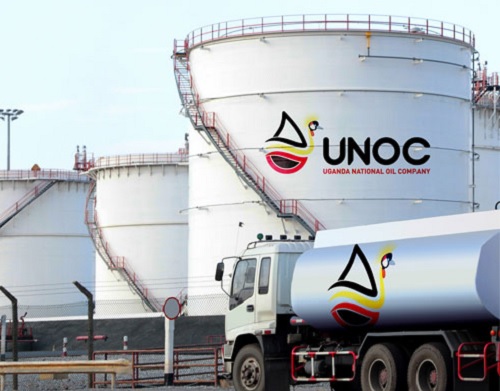
Authorities also revealed that more fuel shipments are already on the way through Kenya’s port of Mombasa, with additional deliveries expected through Tanzania’s ports of Tanga, Dar es Salaam and Mtwara to strengthen supply routes. These incoming stocks are projected to significantly boost reserves, adding over 195 million litres of petrol and 155 million litres of diesel, among others.
The government stressed that “Uganda’s fuel supply remains secure, stable, and continuous,” despite the global uncertainty, attributing this to diversified sourcing away from the conflict-affected Middle East.
Officials also pushed back against what they described as misleading information circulating on social media, warning that such reports are causing unnecessary panic and could lead to exploitation in the market.
However, authorities noted that while supply is stable, they will continue to monitor global oil prices and foreign exchange trends, which could still influence pump prices locally.
The statement comes amid heightened global concern following escalating tensions in the Middle East, where instability has raised fears of supply disruptions and price volatility across international energy markets.