

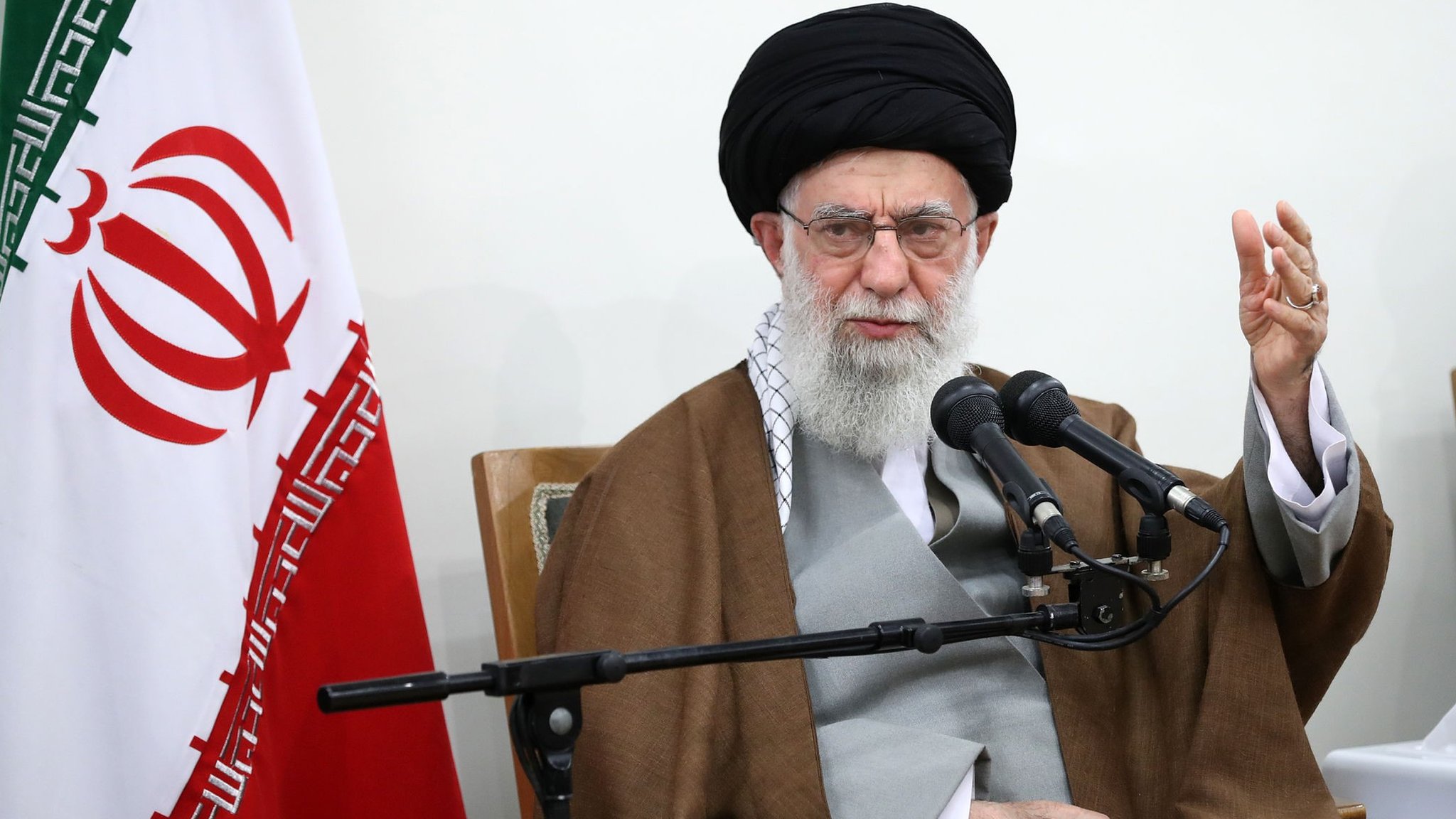
The United States, which took part in the operation, echoed aspects of the assessment. President Donald Trump signalled that reports of Khamenei’s death were believed to be “correct” and suggested that the assault also claimed the lives of several other top Iranian commanders.
Iran Rejects Claims, Insists Leader Is Active
Tehran has strongly rejected assertions that the supreme leader has been killed. Iranian state-linked news agencies Tasnim and Mehr reported that Khamenei is “steadfast and firm in commanding the field,” directly contradicting the Israeli and U.S. portrayal of events. The head of public relations at the supreme leader’s office described the claims as “mental warfare” by enemies, urging the Iranian people not to be swayed. Foreign Minister Abbas Araghchi also told international media that Khamenei and other senior officials were alive “as far as I know.”
The starkly divergent accounts reflect the fog of war and the challenges of verifying real-time developments in such a rapidly evolving conflict.
Wider Conflict and Regional Impact
The intensification of military operations has triggered a broader wave of hostilities across the Middle East. Iran has launched missile and drone counter-attacks against Israel and U.S. bases in the region, while air defences in several Gulf states have been activated. Global oil markets reacted sharply to the news, and world powers have called for urgent diplomatic engagement to prevent wider escalation.
With neither side offering definitive, independently verifiable confirmation of Khamenei’s status, the situation remains highly fluid. Analysts warn that the implications — whether he is dead or actively commanding — could shape the future trajectory of the conflict and regional power dynamics for months or years to come.