
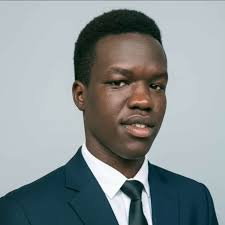
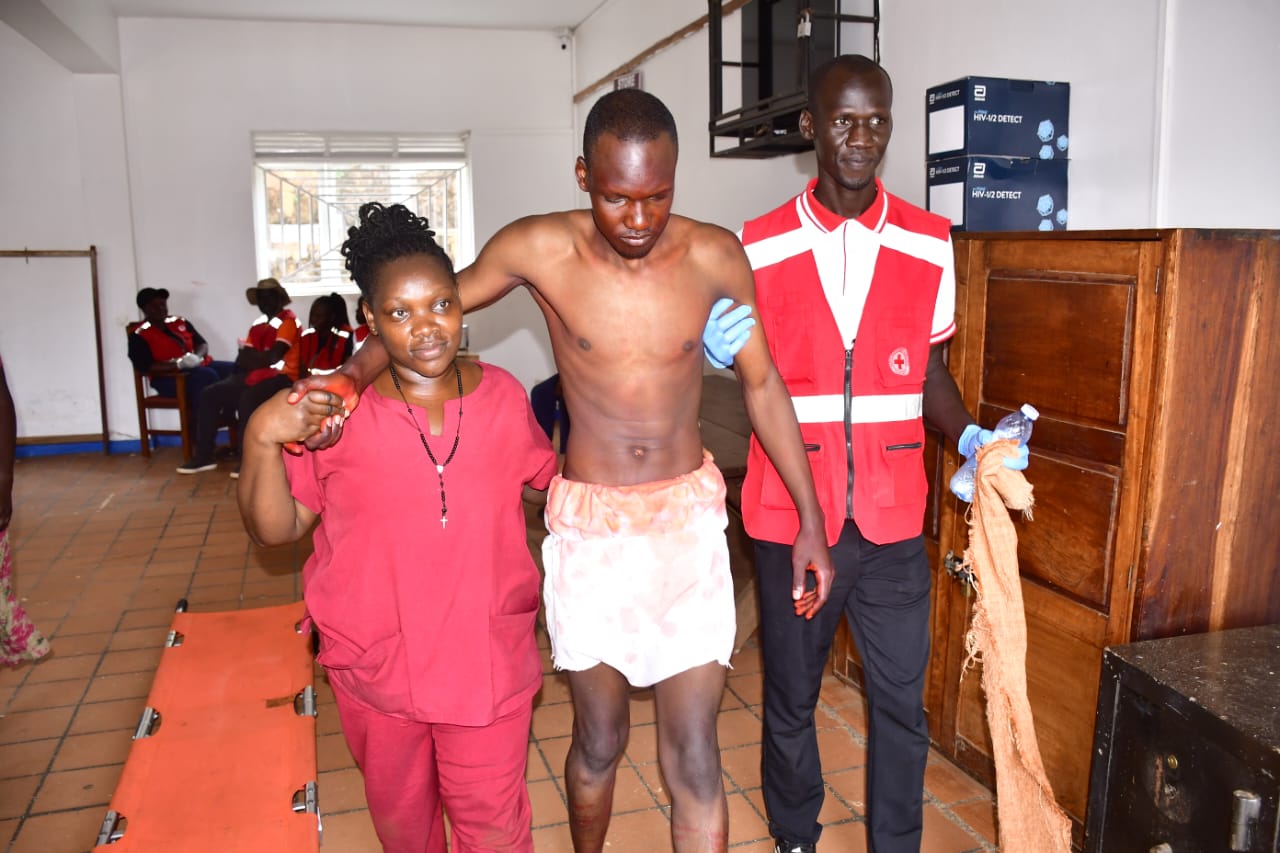
Mr. Mwangye was rushed to a nearby medical facility, where he was treated for soft tissue injuries and dehydration and was later reported to be in stable condition.
The reenactment was part of Holy Week activities, during which many Christian communities in Uganda stage “Way of the Cross” processions to commemorate the suffering and crucifixion of Jesus Christ. These events are common across churches, universities, and communities, often blending prayer with theatrical representation.
Globally, similar Passion reenactments, particularly in countries like the Philippines and parts of Latin America, sometimes involve real physical strain, including whipping and carrying heavy crosses. While intended as acts of devotion, such practices have increasingly raised safety concerns.
In Uganda, most reenactments are symbolic and controlled. However, this incident has sparked renewed public debate about the need for safety protocols in student-led religious activities. Critics argue that excessive realism can expose participants to preventable harm, especially in hot conditions like those in Kampala.
By the time of reporting, no official statement had been issued by Kampala International University. The incident continues to generate discussion on balancing religious expression with participant safety.