
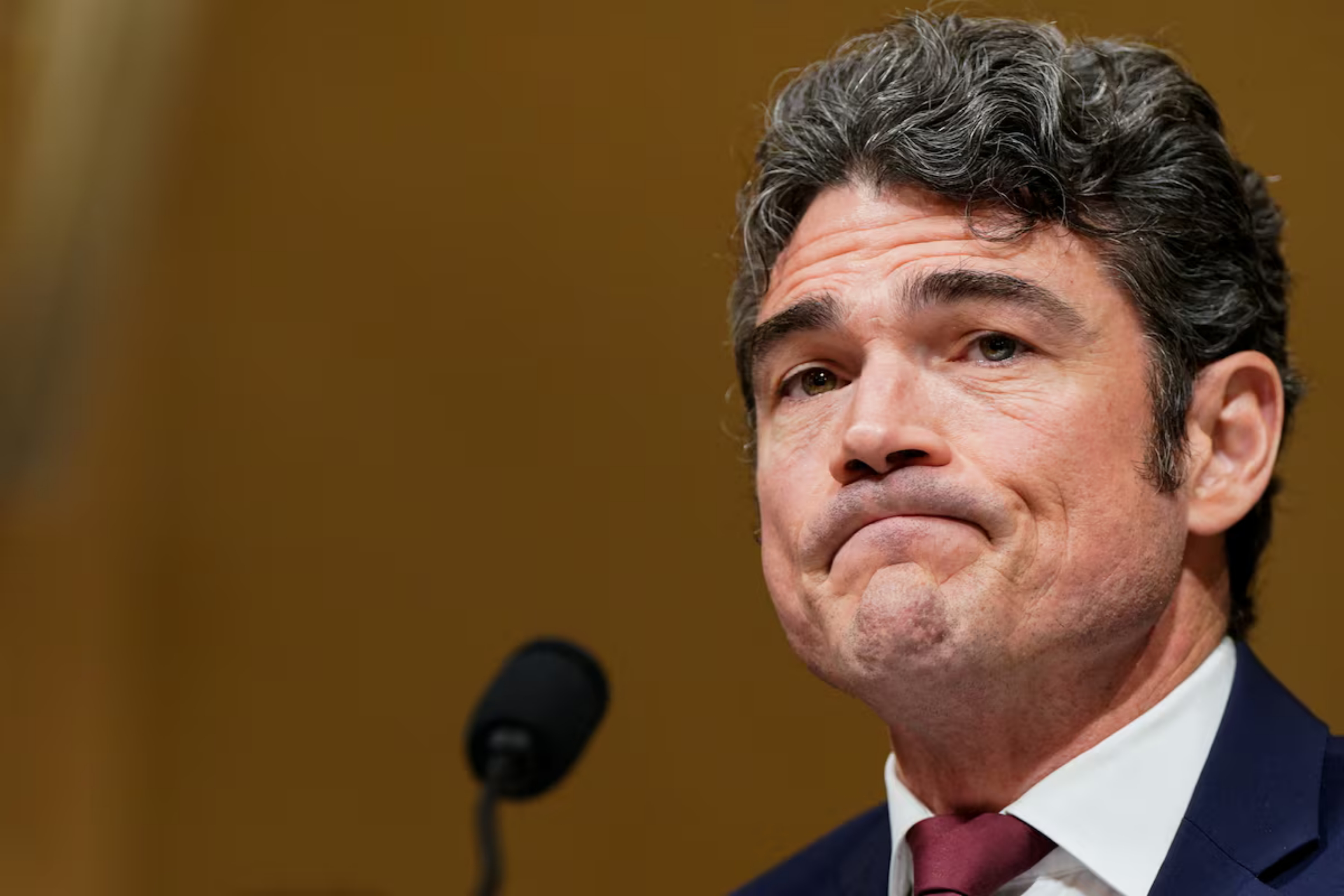
“I cannot in good conscience support the ongoing war in Iran,” Kent wrote.
“Iran posed no imminent threat to our nation.”
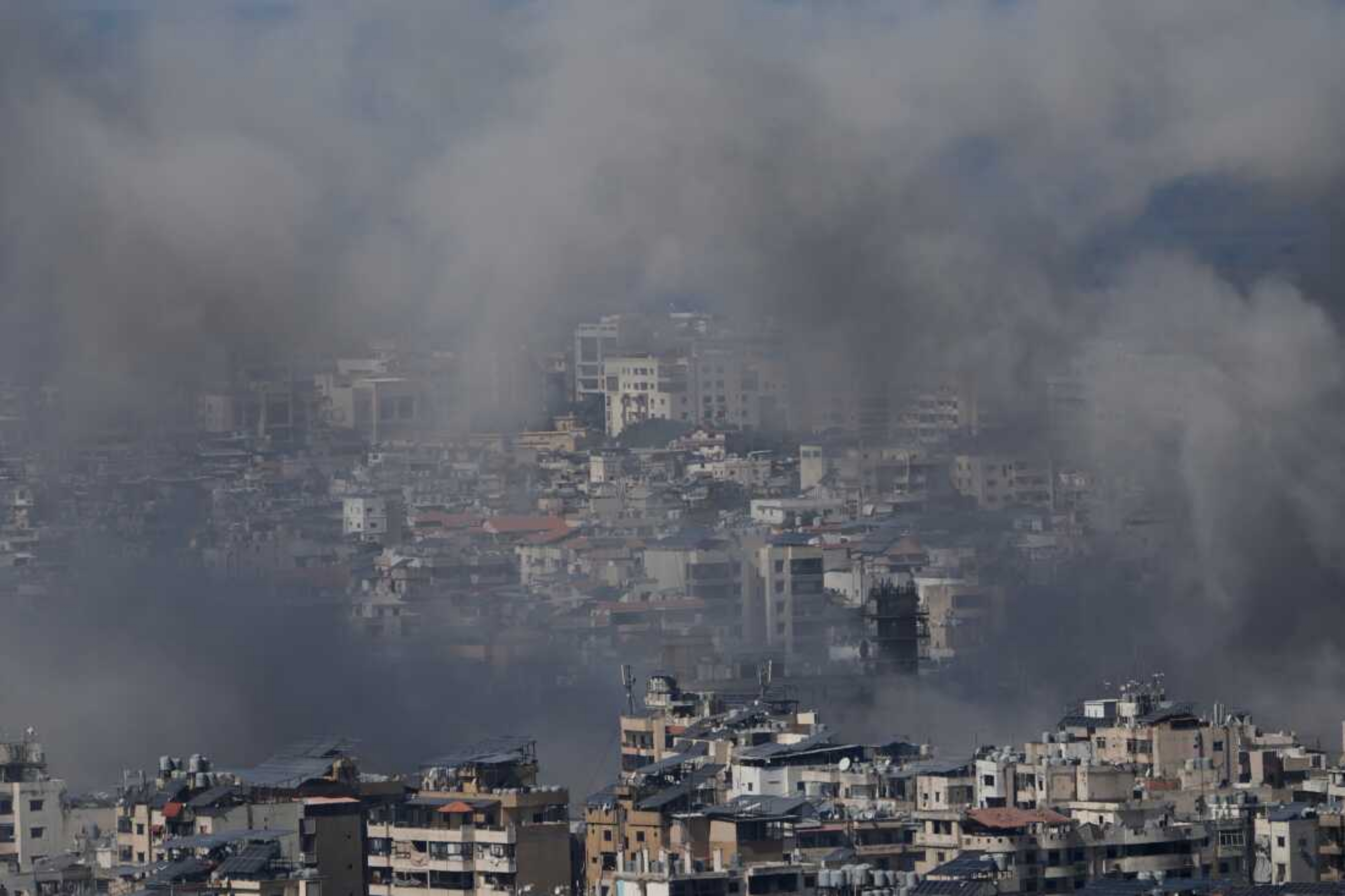
Kent also claimed the conflict had been driven by pressure from Israel and its allies in the United States.
His departure makes him the first senior official in the Trump administration to step down over the conflict, highlighting growing internal divisions over US policy in the Middle East.
BACKGROUND TO THE IRAN CONFLICT
The resignation comes amid a three-week military conflict between the United States and Iran, triggered after Washington launched strikes against Iranian targets earlier this year.
The Trump administration argued that the attacks were necessary to neutralise security threats posed by Iran and its regional network of allied militias.
However, several intelligence assessments reportedly indicated that Iran did not pose an imminent threat to the United States, a claim echoed by Kent in his resignation letter.
Critics of the war say the conflict risks escalating tensions across the Middle East and could draw the United States into another prolonged regional confrontation.
KENT CRITICISES SHIFT IN US FOREIGN POLICIES
In the letter, Kent said he supported the “America First” foreign policy platform that Trump campaigned on in previous elections, arguing that it prioritised avoiding long wars in the Middle East.
He praised actions taken during Trump’s earlier administration, including the killing of Iranian commander Qasem Soleimani and the campaign against Islamic State.
However, Kent said the current war represented a departure from that approach.
He alleged that Israeli officials and sections of the American media had promoted narratives portraying Iran as an imminent threat in order to encourage military action.
VETERAN OFFICIAL AND TRUMP ALLY
Kent, a former US Army Green Beret with more than two decades of military service, was appointed director of the National Counterterrorism Center in 2025 after being nominated by Trump and confirmed by the Senate.
Before entering government, he served multiple combat deployments in the Middle East and later worked as a paramilitary officer for the Central Intelligence Agency.
His resignation is expected to intensify debate within Washington over the justification and long-term consequences of the war with Iran.